Entrepreneurship
How Bumpa Helps Business Owners Adapt To Nigeria’s New Tax Laws in 2026
Entrepreneurship



If we’re being honest, 2025 was a confusing year for many Nigerians.
One minute, everyone was talking about new tax policies. The next, people were seeing deductions they didn’t fully understand, hearing new terms online, and wondering quietly, “How does this one concern me?”
For business owners, the questions came even faster.
Does this affect small businesses? Does it apply to online sellers? What about people using POS? What if you’re just starting out? What if your business is growing faster than you expected?
And suddenly, something that already felt intimidating (taxes) started to feel heavier.
If you’ve ever paused mid‑day, looked at your business, and thought, “I’m trying my best, but I don’t even know if I’m doing this right,” you’re not alone. Many business owners felt the same way.
The truth is, the new tax laws introduced around 2025 and rolling fully into 2026 were not created to punish businesses. But without clear explanations, they left a lot of people anxious, especially small and growing business owners who are already juggling customers, sales, inventory, and daily expenses.
But this doesn’t have to be complicated. You don’t need to suddenly become a tax expert, or understand government language and you definitely don't need to panic.
What you need is clarity, structure and a system that helps you stay ready, so you're not scrambling when questions come up.
That’s where Bumpa comes in; to help you run your business in a way that keeps you organised, confident, and prepared, whether you’re a small business owner just getting started, a growing brand finding its feet, or a larger business trying to stay compliant without stress.
This guide is here to walk you through it gently.
We’ll talk about what changed, what it means for you, and how Bumpa supports your business every step of the way.
What Changed With Nigeria’s Tax Laws in 2026?
If you felt like the tax talk in 2025 didn’t fully land, that’s totally understandable. There was a lot of talk, a lot of headlines, and not enough plain‑spoken explanations.
In 2026, some of those discussions turned into real rules that affect ordinary businesses — and you deserve to know what changed, why it matters, and how it affects your day‑to‑day business decisions.
The key shifts that many business owners are feeling are about three main things:
1. VAT Enforcement Became More Visible
Before now, VAT was mostly something big companies talked about, or something you heard at tax time.
In 2026, VAT started showing up in ways many business owners feel every day:
Customers are more aware of prices with VAT
Digital platforms are asked to show VAT properly
Systems now expect VAT to be included in sales records
This doesn’t mean every business suddenly pays mountains of tax — but it does mean the system expects clearer, consistent VAT treatment from all businesses that are required to charge it.
2. Transaction Traceability Got Stronger
This phrase (“transaction traceability”) sounds technical, but the idea is simple.
Government systems and financial platforms want a clearer picture of what happened in every sale and payment.
This affects you because:
Records now matter more than ever
Banks will ask for clean histories before granting loans
Grant programs will check your activity before approval
It’s no longer enough to remember roughly how much you made — you need organized, traceable records.
3. Stamp Duty on Withdrawals Became Standard
This one already showed up on many business owner accounts, and it confused a lot of people at first.
If you withdraw money from your business wallet through a payment partner (like Paystack), you might see a ₦50 charge for every ₦10,000 withdrawn. This is a stamp duty charge to the government, not a fee kept by any app or platform.
If your withdrawal is under ₦10,000, you typically don’t pay this charge.
It’s a small amount per withdrawal, but it’s one of the clearest examples of how enforcement is moving from talks and headlines into everyday business activity.
Do These Tax Laws Affect Small, Medium, or Large Businesses Differently?
The short answer is: yes but not in the way many people think.
Taxes and VAT are two different things, and the way they apply to your business depends on your structure, revenue, and registration type. Let’s break it down simply.
Tax vs VAT — What’s the Difference?
Before we dive into sizes, here’s a quick way to think about it:
Taxes (like personal income tax or corporate income tax) are on profits or earnings. This is collected by the Federal Inland Revenue Service (FIRS) or state tax authorities.
VAT (Value Added Tax) is a consumption tax added to sales of goods and services, basically, it’s the tax your customer pays on top of the price of what you sell.
These behave differently in the tax system, and how they affect your business depends on your sales and legal status. Let's look at how they affect businesses of all kinds:
1. Small Businesses: Less Pressure, Still Some Requirements
In the 2026 tax regime, if your business is registered as a company with turnover below ₦100 million and total fixed assets under ₦250 million, you may be exempt from major taxes like corporate income tax (CIT), capital gains tax, and development levies, meaning you may not pay those taxes on your profits.
This is a big deal because it means smaller companies keep more of their earnings to reinvest in growth.
However, this exemption does not automatically free you from everything:
Personal Income Tax (PIT): If you operate a business name or earn income personally, you may still be liable for personal tax.
VAT: Even if your business is small, you may still be required to register for and collect VAT once your annual turnover crosses certain thresholds (often around ₦50 million, though exact criteria can vary between tax categories).
So yes, you may be exempt from some taxes … but you’re not automatically VAT-free just because your business is small; that depends on whether you cross the VAT turnover threshold.
2. Medium and Larger Businesses: More Visibility, More Obligations
Once your business earns more, especially above thresholds like ₦50 million or ₦100 million per year, it starts to look different to tax authorities:
Company Income Tax (CIT) may apply on profits if your business is structured as a limited liability company.
VAT registration becomes mandatory if your annual turnover passes the VAT threshold (currently commonly discussed at around ₦50 million).
As you grow, you are more likely to be audited or required to file returns with FIRS and other agencies.
That means the bigger your business gets, the more important it is to keep clean books and proper records.
So What Does All This Mean for You?
Whether you make:
₦50,000 a month,
₦5,000,000 a month,
or even more,
you still need a few things in place:
Clarity on your sales and earnings: You should always know how much you sold, how much you earned, and how much tax might apply.
Accurate records: This includes invoices, receipts, and transaction histories, rather than scribbled notes or WhatsApp screenshots.
Simple ways to track tax-related activity: Taxes don’t have to be scary when your records are clean. You want something that keeps everything in one place.
How Bumpa Helps You Stay Tax-Compliant Without Overthinking It
By now, you might be thinking, “Okay, I understand what the laws are saying, but how do I actually handle this in real life?”
Because often times, knowing the rules is one thing but running a business every day is another.
Most business owners don’t struggle because they don’t want to comply. They struggle because compliance feels complicated, time-consuming, and easy to get wrong.
Bumpa was built to remove that stress — not by throwing tax language at you, but by quietly helping your business stay organized behind the scenes.
Here’s how:
1. Set VAT Automatically on Your Products


One of the easiest ways to make mistakes with VAT is trying to calculate it manually.
With Bumpa, you don’t have to do that.
You can simply set VAT directly on your products. Once it’s added, Bumpa automatically applies the correct VAT amount whenever that product is sold.
This means:
You don’t forget to add VAT
You don’t undercharge customers
You don’t have to calculate percentages in your head
You set it once and Bumpa handles the rest.
This alone removes a lot of confusion for business owners.
2. Apply VAT at Checkout (Online + POS)

Whether your customer is buying online or standing in front of you, VAT should be handled the same way.
With Bumpa, VAT can be applied at:
Website checkout, when customers buy from your online store
POS checkout, when you sell in person
Everything stays consistent so you won't have to deal with awkward explanations, or deal with different pricing systems.
3. Issue Professional Invoices and Receipts
Another big part of tax compliance is proof.
With Bumpa, every sale can come with:
A proper invoice
A digital receipt
A clear breakdown of what was sold
This gives your business a paper trail, even if everything you do is digital.
When banks, grant bodies, or advisors ask for evidence of business activity, you’re not scrambling. You already have it.
And beyond compliance, it simply makes your business look serious and well-run. We've written the perfect article to walk you through the process of creating professional invoices using the Bumpa App.
4. Track All Sales Automatically


During tax season, many business owners try to remember:
How much they sold
What came in
What went out
That stress comes from not having records.
Bumpa automatically records:
Every order
Every payment
Every refund
So instead of guessing, you can clearly see your numbers.
You can also export your sales reports and share them with an accountant or tax consultant when needed — without searching through bank alerts or WhatsApp messages.
5. Separate Business From Personal
One of the quiet problems many business owners face is mixing everything together.
Personal money. Business money. Transfers. Sales.
When everything is mixed, it becomes hard to explain your business to anyone, including banks and financial institutions.
Using Bumpa helps create separation.
Your sales live in one place, your business activity is clearly documented and your numbers tell a clean story.
This makes it easier to prove that your business is real, active, and structured, especially as compliance checks increase in 2026.
What About the Stamp Duty on Withdrawals?
If you’ve withdrawn money recently from your Bumpa app and noticed a small deduction, you’re not imagining things and you’re definitely not alone.
Over the past year, many Nigerians received messages from their banks explaining that a stamp duty charge now applies to certain withdrawals. For many people, this message raised questions and concern, especially for business owners who withdraw funds regularly.
So let’s talk about it calmly and clearly.
Why Am I Seeing a ₦50 Charge?
When you withdraw ₦10,000 or more, a ₦50 stamp duty charge applies.
This charge is:
Not new
Not created by Bumpa
Not kept by Bumpa
It is a government-mandated stamp duty, and it applies across financial platforms — including banks, fintech apps, and payment processors.
So yes, the same rule also applies to withdrawals made from your Bumpa wallet.
For Existing Bumpa Users: Are You Using These Features Yet?
If you’ve been reading up to this point and thinking, “Okay… this makes sense,” take a breath for a moment.
You’re already doing something right at this moment. You’re here, you’re learning, and you’re trying to run your business the right way.
And if you’re already using Bumpa, that’s a very good place to be.
But sometimes, in the middle of running a business, we turn on some features and forget others. Or we mean to come back later… and later keeps moving.
Let’s quickly walk through a few things — not to overwhelm you, but to help you feel confident that your business is truly covered.
A Simple Check-In for Your Business
Ask yourself:
Have you turned on VAT in your product settings, where it applies to your business?
Are your receipts and invoices showing tax clearly when customers buy from you?
Are you recording offline or in-person sales through Bumpa POS, instead of keeping them in your head?
Do you check your sales reports at least once a month, just to stay aware of your numbers?
There’s no judgement here.
If you answered “yes” to all of them — you’re doing great.
If you answered “not yet” to one or two — that’s okay too.
What matters is that you now know where to look.
If You Haven’t Set Them Up Yet, You’re Still Fine
This is important to say clearly: You haven’t done anything wrong.
You’re not late. You’re not in trouble. And you haven’t missed your chance.
These features are there to support you, and you can turn them on any time. Even today. Even right now.
Once they’re active, they quietly help your business stay organized, so you’re not worrying about compliance when you should be focusing on customers and growth.
Not Yet Using Bumpa? Here’s What You’re Missing
If you’re not using Bumpa yet, there are a few important things you should know.
Most small businesses don’t struggle because the owners are careless. They struggle because they’re doing too much at once, with everything from selling, replying messages, packing orders, chasing payments, and still trying to remember everything.
So sales live in WhatsApp chats. Payments show up as bank alerts. Expenses sit in your head. And at the end of the month, you’re trying to piece everything together from memory.
It works until it doesn’t. Especially now, when taxes, records, and compliance matter more than ever.
This is where many business owners feel overwhelmed, not because they don’t want to do things properly, but because they don’t have a single place where everything comes together.
What Bumpa Changes for You
Bumpa gives your business one simple home. With Bumpa, you can:
Sell — online or in person
Track every order, payment, and refund
Get paid without confusion
Stay compliant without constantly worrying about rules
Instead of jumping between apps, screenshots, and messages, your business starts to make sense in one view.
Compliance Isn’t Optional Anymore But Confusion Is
By now, one thing should feel clear. Compliance in 2026 isn’t about fear. Neither is it about punishment. And it’s not about knowing every rule by heart.
It’s about structure. When your business is organized, when your sales are recorded, your VAT is handled properly, your receipts are clear, and your records make sense — compliance stops feeling heavy.
That’s what Bumpa helps you build.
Bumpa isn’t just about selling products or collecting payments. It’s about giving your business a foundation that supports growth, quietly, consistently, and without stress.
Because in 2026, the businesses that move forward won’t be the ones that know everything.
And Bumpa gives you all that and so much more )clarity, structure, and peace of mind) so you can focus on growing the business you’ve worked so hard to build.
Frequently Asked Questions
1. Does Bumpa file taxes for me?
No. Bumpa does not file taxes on your behalf or submit returns to tax authorities. What Bumpa does is help you stay organized, keep proper records, apply VAT correctly where required, and prepare clean information that can be shared with an accountant or tax advisor when needed.
2. Can I turn VAT off for some products?
Yes. VAT can be set at the product level. This means you can decide which products should include VAT and which should not, depending on your business needs and tax requirements.
3. Will I be notified if there’s a tax update?
When important changes affect how your business operates on Bumpa, updates are shared through in-app messages, emails, or official communication channels, so you’re not left guessing.
4. How do I prove I collected or paid VAT using Bumpa?
Bumpa helps by keeping clear records of VAT-applied sales, invoices, and receipts. These records can be downloaded or shared with your accountant or tax consultant as supporting documentation when required.
5. Why does Paystack charge ₦50 and not Bumpa?
The ₦50 charge is a government stamp duty, not a Bumpa fee. It is applied by payment processors like Paystack and Fincra and sent directly to the Nigerian government. Bumpa does not collect or benefit from this charge in any way.
Related Articles
View Related Articles Here

Features
How to Use Advanced Settings on Bumpa Loyalty

Features
How to Activate Loyalty Points Feature on Bumpa

Features
Grow Your Revenue & Customer Retention With the New Loyalty Points Feature on Bumpa

Spotlight
Think Business Loans Are Stressful? Nineteenth Shoes Clears Up 5 Myths and Tells Us How Bumpa Capital Helped

Spotlight
Meet Tayo Adejumo, The Business Owner Paid 4 Years of Bumpa Upfront in 2022. Here's Why

Tips
5 Best Inventory Management Software for Small Businesses (Online & Physical Retail Stores)

Tips
How to Switch to Bumpa Before Black Friday (Without the Risk)

Entrepreneurship
How to Separate Your Business and Personal Finances [2026 Guide]

Spotlight
The Extra Mile: Celebrating Customer Service Week 2026 at Bumpa

Features
8 Things You Can Automate on Bumpa So Your Business Runs While You Rest

Features
How to Set Up TikTok Pixel on Bumpa | Step-by-Step Guide

Features
Collect the Birthday & Gender Information of Your Customers Through Multiple Ways on Bumpa.

Entrepreneurship
How to Get Paid Faster: The Complete Guide to Business Payments in Nigeria & Kenya

Tips
How to Choose the Right Payment Options for Your Customers in 2026

Features
How to Set Up Facebook Pixel on Bumpa | Step-by-Step Guide

Entrepreneurship
How to Build a Good Inventory Management System (Step-by-Step)

Tips
How to Keep Daily Records of Sales for Your Business Easily
Tips
How to Detect, Deal with & Prevent Fake Bank Alerts for Your Business

Sales
How Gift Cards, Product Bundles, and Add-Ons Can Help You Make More Money Per Order on Bumpa

Entrepreneurship
Pezesha & Bumpa Partner to Empower Merchants with Digital Business Tools

Features
What Happens When My Bumpa Subscription Expires?

Entrepreneurship
How to Track Profit for Your Business in Nigeria in 2026

Tips
7 Signs You Need Inventory Management Software In 2026

Entrepreneurship
How to Prepare Your Business for Black Friday (2025): A Simple 10-Step Plan With Checklists and Templates

Entrepreneurship
Black Friday Marketing Strategy In 2026: 7-Day Plan for Small Businesses

Tips
When to Restock Inventory: Reorder Point Guide for Nigerian Businesses in 2026

Entrepreneurship
Inventory Management for Fashion & Clothing Business in Nigeria [2026]

Tips
6 Ways to Stop Staff From Stealing Your Stock (Without Losing Trust in Your Team)

Tips
Instagram Business Account Disabled? Here's Exactly What to Do in the Next 24 Hours (2026 Guide)

Entrepreneurship
From One Blender to 25 Branches and Counting: How FruityLife Manages Its Business with Bumpa

Features
New on Bumpa: The July Updates That Make Running Your Business Easier

Features
Create Emails That Drive Sales with Bumpa's Sales Email Template

Features
June Bumpa Product Update: Here's what's new!

Tips
8 Things To Do Before You Launch Your Online Store In 2026

Tips
10 Ways to Get more Customers & Increase Sales for your Business

Tips
Top 5 Online Selling Platforms & Sites in Nigeria (2026 Guide)

Tips
How to Optimise your Bumpa Website for more Visibility on Google in 2026!

Entrepreneurship
How To Start A Bag & Accessories Business In Nigeria In 2026

Tips
When to Upgrade Your Bumpa Plan And How to Know You're Ready

Entrepreneurship
10 Signs Your Business Needs Better Structure and Organization In 2026

Entrepreneurship
Bumpa vs WooCommerce: Is "Free and Powerful" Actually Free for Nigerian and Kenyan Businesses?

Entrepreneurship
Bumpa vs Shopify: Which Platform Actually Works Best For African Businesses?

Features
How to Improve SEO for Your Bumpa Website in 14 Steps

Features
Is the Bumpa App Free? (2026 Update: What’s Free, What’s Paid & What You Get)

Entrepreneurship
How to Use Social Media to Drive Sales to Your Bumpa Store In 2026

Entrepreneurship
25 Small Business Ideas in Kenya with Low Capital (2026 Guide)

Features
Every Physical Store You Add on your Bumpa Account Now Has Its Own Terminal Account. Here's Why It Matters

Features
Grow Your Business Faster with Loans: Say Hello to Bumpa Capital!

Features
How to Stop Staff Theft in Your DMs and Your Physical Store Using Bumpa

Tips
Business Name Ideas - How to Generate One + 42 Examples

Entrepreneurship
Bumpa vs Wix: A Guide for Nigerian Business Owners

Entrepreneurship
Bumpa vs Paystack Storefront: Which Is Right for Your Business?

Entrepreneurship
Bumpa vs Flutterwave Store: What Nigerian Sellers Actually Need to Know

Entrepreneurship
7 Marketing Tools You Can Use on Bumpa To 5x Sales. (Free & Paid 2026)

Spotlight
From a Mom's Shop Floor to 10K Orders: How Harjoke Fabrics Automated Sales with Bumpa

Features
Bumpa Wallet Is Here: A Faster Way to Get Paid Instantly, Grow Your Money & Stay in Control

Spotlight
For our One of One, Teejay…

Entrepreneurship
8 Best Paystack Storefront Alternatives Nigeria (2026)

Sales
How to Start an Online Business in Kenya (2026 Complete Guide)

Features
Bumpa POS: A Simple Point of Sale System for Businesses in Nigeria
Entrepreneurship
How Bumpa Helps Business Owners Adapt To Nigeria’s New Tax Laws in 2026

Sales
5 Reasons Why Your Business Isn't Making Money (And How To Fix It)

Features
Selling Internationally: Start Collecting Foreign Payments with Bumpa’s Multi-currency Feature!

Features
How to Get Started on Bumpa: An Onboarding Guide.

Tips
10 Small Business Ideas you can start with 20,000 in Nigeria in 2026

Tips
How to Collect Customer Reviews and Boost Sales With Them In 2026

Tips
How to File CAC Annual Returns Online in 2026 as a Business Owner

Entrepreneurship
Happening Live: 30 Days of Bumpa with Kelvin! (Plus 3M Up for Grabs)!

Features
What’s New This Month for Your Business (November 2025)

Entrepreneurship
Share Your Story, Win ₦500,000: Bumpa Business Story 2025

Features
Bumpa Product Updates: What’s New This Month for Your Business (October 2025)
Features
Your Store, Your Way: Introducing Bumpa Website Extensions

Tips
Black Friday Coupon Code Ideas (2025): 27 Proven Promos + How to Name, Cap, and Track Them

Communities
"We Don't Do Impossible" - Celebrating CX Week at Bumpa
Tips
How to Create Professional Invoices for Small Businesses with an Online Invoice Generator

Tips
How to Create & Start an Online Store in Nigeria in 2024
Features
How to Use the Bumpa App: The Ultimate Guide For Small Business Management
Features
Recover More Sales With Bumpa’s New Automated Abandoned Order Reminders
Tips
Black Friday 2025: The Business Guide to Deals That Triple Your Sales

Spotlight
Ronbee Signature: The Entrepreneur who Ditched the Idea of Being A Professor to Become A Jewelry & Perfume Connoisseur.
Spotlight
How Melira Fits Started From A One-Bed Apartment to Doing Up To 15 Million in Revenue.
Features
Get Amazon-Level Delivery for your Business with Bumpa’s New Shipping Automation

Tips
How Businesses (Small and Big) Are Making Big Money with AI in 2025! (Here's How)

Tips
How to Make Money on the Internet in 2025 (12 Easy E-commerce Hustles That Actually Pay)

Tips
These 7 Business Finance Mistakes May Cost You Millions !

Tips
6 Bumpa Websites Designed With New Themes to Inspire Your Online Store
Features
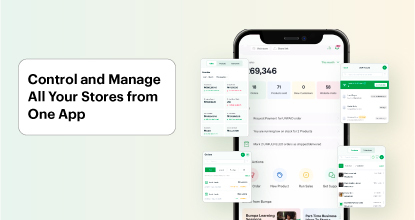
The Ultimate Guide to Managing Your Multiple Stores for Your Business with Bumpa

Features
How to Set Up Google Analytics for Your Bumpa Website

Tips
These 5 Urgent Fixes Will Save Your Dying Online Store!

Entrepreneurship
Be Part of Something Big: Join Our Partners' Program To Help Businesses Go Digital with Bumpa!

Tips
How to Write Product Descriptions that Convert Online Shoppers + Examples & Template

Features
Introducing Brand New Professional Website Themes & Templates For Your Bumpa Store!

Entrepreneurship
ShowUp #2: Love is in the Air! (And So Are Sales)

Tips
How to Turn your Products into Irresistible Valentine's Day Gifts

Features
How to Add Shipping Fees on Your Bumpa App
Features
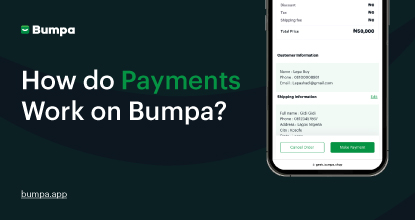
How does Online Payment Work on Bumpa?
Entrepreneurship
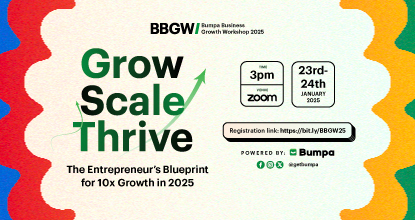
The Biggest Business Growth Event (BBGW) of 2025 Is Here!

Tips
Top 8 Trending Products to Launch a Successful Online Business in 2025

Tips
4 Secret Growth Strategies Smart Businesses Are Stealing in 2025

Entrepreneurship