Entrepreneurship
Bumpa vs WooCommerce: Is "Free and Powerful" Actually Free for Nigerian and Kenyan Businesses?
Entrepreneurship



A properly built WooCommerce store in Nigeria costs ₦700,000+ before your first sale. Bumpa's Growth plan is ₦250,000 a year — storefront, payments, inventory, logistics, Instagram DMs, and analytics all included. No developer. No plugins. No hosting bill.
Not on Bumpa yet? Sign up for free today and see what your business has been missing.
WooCommerce is free, open source, and runs on WordPress which is the most widely used content management system in the world. You own your data, your code, your entire store and nobody can change their pricing on you or shut down your account and take your business with it. Over three million stores worldwide run on it. Developers love it. It can be customised to do almost anything.
If you've been researching ecommerce platforms for your business in Nigeria or Kenya, you've probably read some version of that paragraph three or four times by now. And the logic is hard to argue with, especially the free part, when every naira and shilling counts.
So let's not argue with it. Let's do something more useful: ask the one question that changes the whole conversation.
If this is free to download but what does it cost to actually run?
Because those are two very different things. The WooCommerce plugin costs nothing. But between the store you need to build around it, the hosting, the domain, the SSL, the payment gateway setup, the security plugins, the email marketing tools, the developer who puts it all together, the maintenance plan that keeps it running, that costs quite a lot. And in Nigeria and Kenya, where setup typically runs from ₦450,000 to over ₦700,000 before your first sale, "free" starts to look like a very specific kind of expensive.
I work at Bumpa, so my perspective has a direction. But I've spent real time understanding what WooCommerce requires and this article is going to be honest about both sides, including the parts where WooCommerce genuinely wins. Because it does, for the right kind of business.
What I want to do is make sure you're making this decision with the full picture and by the time you finish reading, you'll know exactly what WooCommerce costs in this market, what Bumpa actually does, and which one makes sense for your business.
What Is WooCommerce?


Before we get into costs and comparisons, there's something worth clarifying because a lot of people come into this research with a misconception that ends up costing them.
WooCommerce is not a platform. It's a plugin.
Specifically, it's a free piece of software you install on top of a WordPress website to give that website ecommerce functionality. When you sign up for Shopify, you get a hosted platform, complete with servers, security, checkout, and core features all included.
When you sign up for Bumpa, you get a complete business management system, complete with store, payments, inventory, logistics, and analytics all already connected. When you install WooCommerce, you get a plugin that sits inside a WordPress site that you are responsible for building, hosting, securing, and maintaining yourself.
What WooCommerce doesn't come with is:
hosting for your site.
A domain name.
An SSL certificate that keeps customer data safe.
A connected payment gateway.
An email marketing system.
An abandoned cart recovery tool.
A way to manage Instagram DM orders.
A logistics integration.
Every single one of those is something you find, install, configure, or pay for separately on top of a plugin that is, yes, free to download.
This isn't a flaw in WooCommerce. It's the design. WordPress was originally built for bloggers and content publishers. WooCommerce was built to layer commerce on top of that. The result is genuinely powerful and endlessly customisable but it assumes you either have the technical skills to run it yourself or the budget to pay someone who does.
Think of it this way: WooCommerce hands you an engine, a chassis, four tyres, and a set of tools. Everything you need to build a car. Bumpa hands you the keys to a car that's already running.
That distinction is what the rest of this article is built on. And it's why the next question, what does WooCommerce actually cost in Nigeria and Kenya, has an answer that surprises most people the first time they hear it.
What Does WooCommerce Actually Cost in Nigeria and Kenya?
Let's start with the true part: the WooCommerce plugin is free. You can download it right now, at no cost, and install it on a WordPress site. That's real, and it's not nothing.
Everything else costs money.
Here's what you actually need to launch a functional WooCommerce store in Nigeria or Kenya — and what each piece costs:
WordPress hosting: Your WooCommerce store needs to live somewhere. Local providers like Whogohost or Truehost offer shared hosting from around ₦20,000–₦50,000 per year for basic traffic. That's fine when you're just starting. But as your store grows and more customers visit, shared hosting starts struggling — slow load times, occasional crashes on busy days. You'll eventually need VPS hosting, which runs ₦100,000–₦400,000 per year. In Kenya, reliable hosting runs KSh 3,000–15,000 per month, depending on traffic and performance needs.
Domain name: ₦5,000–₦15,000 per year. Small cost, but it's recurring.
SSL certificate: This is the security layer that tells customers their payment information is safe. Sometimes included with hosting, sometimes not. If separate, add ₦10,000–₦30,000 per year.
A theme that looks professional: Free WooCommerce themes exist. They look free. If you want your store to actually represent your brand — clean layout, professional product pages, mobile-optimised — a premium theme costs $49–$149 per year.
Payment gateway setup: To accept Paystack payments on WooCommerce, there's a free official plugin — and that's a genuine positive worth saying. But M-Pesa integration in Kenya, through Pesapal or IntaSend, typically requires configuration and sometimes developer time to get working properly.
A developer to build it all: Here's the number most people never see when they read "WooCommerce is free." If you're not technical — and most product business owners aren't, nor should they need to be — you need someone to set this up for you. In Nigeria, professional WooCommerce setup starts from ₦450,000. In Kenya, you're typically looking at KSh 60,000–100,000 for a properly built store. That's a one-time cost, yes. But it's a one-time cost that most people discover only after they've already told themselves this was going to be cheap.
Essential plugins: WooCommerce out of the box is functional but bare. Abandoned cart recovery, email marketing, security monitoring, SEO tools, automated backups — each of these is a separate plugin, and most of the good ones cost between $50 and $200 per year each. You don't need all of them on day one. But you will need several of them, and they add up faster than you'd expect.
Ongoing maintenance: This is the cost that never stops. WordPress core, WooCommerce, and your plugins all need regular updates. When a plugin update conflicts with your theme, someone needs to fix that. When a security vulnerability is discovered, someone needs to patch it. When your site slows down, someone needs to investigate. If you do it yourself: 2–5 hours every month. If you pay someone: ₦200,000–₦500,000 per year in Nigeria, depending on the scope.
What does this actually add up to?
A properly built WooCommerce store in Nigeria, complete with developer setup, essential plugins, hosting, domain, and SSL, costs between ₦700,000 and ₦1,500,000 in Year 1. From Year 2 onwards, you're spending ₦300,000–₦600,000 per year just to keep it running, before you spend a single naira on marketing or growth.
In Kenya, initial developer builds run KSh 60,000–100,000, with annual running costs of KSh 50,000–150,000+ depending on your hosting tier and plugin stack.
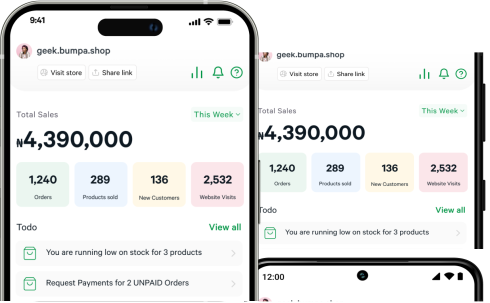
Now here's a number to hold alongside all of that: Bumpa's Growth plan is ₦250,000 per year, and no, you wouldn’t have any need for a developer, plugin subscriptions, maintenance budget, or hosting bill. Everything from storefronts, payments, inventory, logistics, Instagram DMs, and analytics is also included.
That's not to say WooCommerce is a bad investment. For the right business, it absolutely isn't. But "free" is doing a lot of work in that WooCommerce pitch, and now you know what it's covering up.
The Thing Nobody Tells You: With WooCommerce, You Become the IT Department

When WooCommerce advocates say "you have full control," they mean it. You control the hosting, the plugins, the theme, the database, the security settings, everything.
What they don't finish the sentence with is: full control means full responsibility.
Picture this. It's the Friday night before your biggest sale of the year. You've promoted it all week, customers are coming, and your checkout page is broken. A plugin updated automatically that afternoon and conflicted with your theme. Your developer isn't picking up. Your customers are getting error messages. Your sales are sitting at zero while you try to figure out whether to roll back the plugin, reinstall it, or contact support which, for a free plugin, might be a forum thread from 2021.
Or this: your site gets hacked. It happens more than people realise on poorly maintained WordPress installations. Now you're dealing with Google flagging your site as dangerous, your hosting provider suspending your account, and the urgent task of cleaning malware from a codebase you may not fully understand.
Or simply: you ran a promotion, traffic spiked, and your shared hosting couldn't handle it. The site went down during peak buying hours.
None of this is hypothetical. These are the documented, consistent experiences of business owners who chose WooCommerce without fully accounting for what ownership actually requires.
On Bumpa, none of this is your problem. Security is managed. Updates happen without breaking anything. The infrastructure has handled millions of visitors without going down. When you wake up on a sale morning, you see order notifications — not a support ticket you have to file with yourself.
For a business owner in Lagos or Nairobi who is already managing inventory, responding to DMs, packaging orders, running promotions, and thinking about growth — becoming the unpaid IT manager of your own website is a very real cost. It just doesn't show up on any pricing sheet. It shows up on your Saturdays.
To be fair about this: if you're a developer, have a technical co-founder, or employ an in-house tech team — WooCommerce's control and flexibility is genuinely valuable. For that profile of business, it's worth exploring seriously.
For everyone else, here's the honest reframe: the "control" WooCommerce gives you is a benefit that comes wrapped in a job description you didn't apply for.
What Bumpa Actually Does — The Full Picture
While someone is spending a weekend configuring WooCommerce plugins and troubleshooting a hosting setup, a Bumpa merchant signed up on Tuesday, had her store live by Tuesday afternoon, and processed her first order on Wednesday morning.
That's not a marketing claim. That's the product working exactly as it was designed to work.
Here's what Bumpa gives you from the moment you sign up — no developer, no plugins, no hosting bill, no configuration research:
1. Your store


Your branded online storefront is live in under five minutes. Add your products, set your prices, choose a professional theme — done. Custom domain connection, product collections, size and colour variations, product bundles — all built in. And when you want to go further, website extensions like countdown timers for flash sales, back-in-stock alerts, product add-ons, and custom checkout options are available without touching a single plugin.
2. Your payments


Bumpa Terminal — accepts bank transfers, cards, USSD, QR codes, and cash at 1.5%. The moment money lands, you and your staff get a WhatsApp notification.
Bumpa Wallet — instant settlement, 8% interest on your balance, withdraw anytime for ₦50
Paystack integration — already connected, no developer required
International payments in USD and GBP via Stripe on the Growth plan — for diaspora customers paying from abroad
3. Your inventory and orders

Real-time stock tracking across every channel you sell through — website, DMs, in-person, POS — updating automatically
Multi-location inventory management for businesses with more than one location
Automated order confirmations, shipping updates, and delivery notifications — sent to your customers at every stage without you writing a single message
Barcode generation, low-stock alerts, product bundles
4. Your customers

Bulk SMS and email campaigns sent directly from inside the app
Abandoned cart recovery built in — no $200/year plugin required
Full customer records: purchase history, contact details, shipping addresses, preferences
Discount and coupon creation with percentage or fixed amounts, start and end dates, and automatic price reversion when the sale period ends
5. Your operations
Instagram DM integration as an official Meta partner — orders from DMs logged and inventory updated automatically
WhatsApp product link sharing — send any product directly to a customer in one tap
ShipBubble and Fez Delivery built in — book a courier without leaving the app
Staff accounts with granular permissions — your team member in Abuja processes sales and receives payment alerts without accessing your financial data
Invoice Generator 2.0, receipt generation, and full data export for bank loan applications, grants, and visa requirements
Not one of those features required a plugin installation. Not one required a developer. Not one requires a maintenance budget. It's the full operating system for a product business in Nigeria or Kenya — available from the moment you sign up.
Where WooCommerce Genuinely Wins
I've spent most of this article laying out the real costs and responsibilities that come with WooCommerce. But a fair comparison has to go both ways — and there are areas where WooCommerce offers genuine advantages that are worth naming clearly.
1. You own everything: With WooCommerce, your data, your code, and your infrastructure belong to you completely. You're not a tenant on someone else's platform. If Bumpa adjusts its pricing tomorrow, you'll feel it. If WooCommerce releases an update, you decide if and when to apply it. For businesses that treat data sovereignty and infrastructure independence as non-negotiable — and some should — this is a real and meaningful advantage.
2. The customisation ceiling is almost nonexistent: Need a custom product configurator? A complex subscription model? A multi-vendor marketplace where other sellers list on your platform? WooCommerce's open-source foundation means a developer can build almost anything you can describe. Bumpa's customisation is powerful within the platform's parameters — but WooCommerce has no ceiling, given the right technical resources.
3. WordPress is one of the best content platforms ever built: If long-form content marketing and organic SEO are central to your growth strategy — detailed product guides, category landing pages, blog content driving search traffic — WooCommerce inherits WordPress's full CMS capabilities. That's a genuine edge for content-first businesses.
4. At enterprise scale, owning your stack matters: Large businesses with complex infrastructure, high traffic volumes, and in-house technical teams often prefer WooCommerce or fully custom builds precisely because ownership becomes an asset at that level. The ability to optimise, audit, and fully control your platform is worth the overhead when you have the team to manage it.
The honest summary in one line: WooCommerce is the better choice when you have technical resources and specific customisation needs. Bumpa is the better choice when you want to run your business.
Which One Is Right For You?
The answer is simpler than it might seem at this point.
Use WooCommerce if:
You are a developer or have a dedicated developer on your team permanently — not just for setup, but for ongoing maintenance
You have a realistic budget of ₦450,000+ for initial setup and ₦200,000–₦500,000 per year for ongoing costs
You need a highly customised store with functionality no standard platform currently offers
Complete data ownership and infrastructure control are priorities your business won't compromise on
Content marketing and SEO through WordPress's CMS are central to how you plan to grow
Use Bumpa if:
You sell physical products and need to start selling without a technical setup project standing between you and your first order
You want payments, inventory, social commerce, logistics, and analytics in one place — without plugins, developers, or a maintenance budget
You want to pay in Naira and not think about hosting bills denominated in dollars
You take orders through Instagram, WhatsApp, and your website simultaneously and need those channels connected rather than managed separately
You want a platform that works when you open it — not one that requires you to keep working on it
Here's the thing: most product business owners in Nigeria and Kenya are not developers. They're founders, operators, and entrepreneurs with products to sell, customers to serve, and businesses to grow. They don't need a platform they can customise infinitely — they need one that handles the complexity so they don't have to. Bumpa was built for exactly that person.
Frequently Asked Questions
1. Is WooCommerce free in Nigeria?
The WooCommerce plugin itself is free to download — that part is genuinely true. But running a real store on it is not free. You need WordPress hosting, a domain name, an SSL certificate, plugins for payments and marketing, and in most cases a developer to build it properly. In Nigeria, professional WooCommerce setup typically costs ₦450,000–₦700,000 upfront, with ₦200,000–₦500,000 per year in ongoing maintenance costs after that. When people say WooCommerce is free, they mean the plugin. The store is a different conversation.
2. Does WooCommerce support Paystack in Nigeria?
Yes — there's a free official Paystack plugin for WooCommerce and it works well. That's a genuine advantage worth acknowledging. M-Pesa integration in Kenya is also possible through providers like Pesapal or IntaSend, though it typically requires developer configuration to get running properly. Payment integration on WooCommerce is doable — it just isn't automatic.
3. Can a non-technical person use WooCommerce?
Technically, yes. Practically, it's a significant challenge. WooCommerce requires you to manage WordPress, hosting, plugins, security updates, and the occasional conflict when something breaks after an update. Most non-technical business owners end up either spending weeks learning the hard way or eventually hiring a developer. If your goal is to focus on running your business rather than managing your website infrastructure, WooCommerce will pull you in the wrong direction.
4. What is the difference between WooCommerce and Bumpa?
WooCommerce is a free WordPress plugin that gives you ecommerce functionality — but you are responsible for building, hosting, securing, and maintaining everything around it. Bumpa is a complete business management platform where everything is already connected from day one: storefront, payments, inventory management, Instagram DM orders, WhatsApp selling, logistics, staff accounts, and analytics — all in one app, with no technical setup required.
5. Which is better for selling online in Nigeria — WooCommerce or Bumpa?
For product-based businesses without a dedicated technical team, Bumpa. It's faster to set up, cheaper to run in practice once you account for the real WooCommerce costs, and designed specifically for how business works in Nigeria and Kenya. WooCommerce is the stronger choice for businesses with technical resources that need deep customisation or require complete infrastructure ownership.
6. Is WooCommerce good for Nigerian businesses?
For businesses with genuine technical capacity — a developer on the team, a maintenance budget, and specific customisation needs — yes, WooCommerce offers real flexibility and ownership advantages. For most product-based business owners who are managing inventory, responding to DMs, fulfilling orders, and growing without a technical co-founder, the setup complexity and ongoing maintenance costs make WooCommerce a difficult fit. Bumpa delivers comparable or greater functionality out of the box, without the overhead.
The Verdict
WooCommerce deserves its reputation. It's one of the most powerful ecommerce tools ever built, and for the right kind of business — one with technical resources, a developer on retainer, and specific infrastructure needs — it's worth taking seriously.
But if you're a product business owner in Nigeria or Kenya trying to sell online, manage inventory across channels, accept local payments, handle Instagram DMs and WhatsApp orders, book couriers, and stay on top of your customers — all without becoming your own IT department — WooCommerce will cost you significantly more than its price tag suggests. In money. In time. In the mental load of managing infrastructure when you should be managing your business.
Bumpa was built to solve exactly that problem. Everything a product business needs to operate at a high level — storefront, payments, inventory, social commerce, logistics, staff management, analytics — in one platform, in Naira, with no technical overhead. Over 136,000 merchants are running their businesses on it. More than ₦160 billion in transactions processed. Businesses going from their first order to 20,000 orders in a single year.
The most expensive tool isn't always the one with the highest price. It's the one that takes your time.
Try Bumpa free for 14 days — no developer needed, no plugins to configure, no maintenance to manage. Just your business, running the way it should.
Subscribe to our Blog
If you love tips & content like this that will help with your small business marketing and growth, then you’ll be excited to know we have more! We can send you notifications when they are published if you share your email address with us. We promise not to be a bother, and you can always unsubscribe anytime!
Want to Learn More about Bumpa & How to Grow Your Business with it?
You can sign up to Bumpa in 5 seconds as a small business owner and let us begin the journey of growing your business with you!
Related Articles
View Related Articles Here

Spotlight
The Extra Mile: Celebrating Customer Service Week 2026 at Bumpa

Features
8 Things You Can Automate on Bumpa So Your Business Runs While You Rest

Features
How to Set Up TikTok Pixel on Bumpa | Step-by-Step Guide

Features
Collect the Birthday & Gender Information of Your Customers Through Multiple Ways on Bumpa.

Entrepreneurship
How to Get Paid Faster: The Complete Guide to Business Payments in Nigeria & Kenya

Tips
How to Choose the Right Payment Options for Your Customers in 2026

Features
How to Set Up Facebook Pixel on Bumpa | Step-by-Step Guide

Entrepreneurship
How to Build a Good Inventory Management System (Step-by-Step)
Tips
How to Keep Daily Records of Sales for Your Business Easily

Tips
How to Detect, Deal with & Prevent Fake Bank Alerts for Your Business

Sales
How Gift Cards, Product Bundles, and Add-Ons Can Help You Make More Money Per Order on Bumpa

Entrepreneurship
Pezesha & Bumpa Partner to Empower Merchants with Digital Business Tools

Features
What Happens When My Bumpa Subscription Expires?

Entrepreneurship
How to Track Profit for Your Business in Nigeria in 2026

Tips
7 Signs You Need Inventory Management Software In 2026

Entrepreneurship
How to Prepare Your Business for Black Friday (2025): A Simple 10-Step Plan With Checklists and Templates

Entrepreneurship
Black Friday Marketing Strategy In 2026: 7-Day Plan for Small Businesses

Tips
When to Restock Inventory: Reorder Point Guide for Nigerian Businesses in 2026

Entrepreneurship
Inventory Management for Fashion & Clothing Business in Nigeria [2026]

Tips
6 Ways to Stop Staff From Stealing Your Stock (Without Losing Trust in Your Team)

Tips
Instagram Business Account Disabled? Here's Exactly What to Do in the Next 24 Hours (2026 Guide)

Entrepreneurship
From One Blender to 25 Branches and Counting: How FruityLife Manages Its Business with Bumpa

Features
New on Bumpa: The July Updates That Make Running Your Business Easier

Features
Create Emails That Drive Sales with Bumpa's Sales Email Template

Features
June Bumpa Product Update: Here's what's new!

Tips
8 Things To Do Before You Launch Your Online Store In 2026

Tips
10 Ways to Get more Customers & Increase Sales for your Business

Tips
Top 5 Online Selling Platforms & Sites in Nigeria (2026 Guide)
Tips
How to Optimise your Bumpa Website for more Visibility on Google in 2026!

Entrepreneurship
How To Start A Bag & Accessories Business In Nigeria In 2026

Tips
When to Upgrade Your Bumpa Plan And How to Know You're Ready

Entrepreneurship
10 Signs Your Business Needs Better Structure and Organization In 2026
Entrepreneurship
Bumpa vs WooCommerce: Is "Free and Powerful" Actually Free for Nigerian and Kenyan Businesses?

Entrepreneurship
Bumpa vs Shopify: Which Platform Actually Works Best For African Businesses?

Features
How to Improve SEO for Your Bumpa Website in 14 Steps

Features
Is the Bumpa App Free? (2026 Update: What’s Free, What’s Paid & What You Get)

Entrepreneurship
How to Use Social Media to Drive Sales to Your Bumpa Store In 2026

Entrepreneurship
25 Small Business Ideas in Kenya with Low Capital (2026 Guide)
Features
Every Physical Store You Add on your Bumpa Account Now Has Its Own Terminal Account. Here's Why It Matters

Features
Grow Your Business Faster with Loans: Say Hello to Bumpa Capital!

Features
How to Stop Staff Theft in Your DMs and Your Physical Store Using Bumpa

Tips
Business Name Ideas - How to Generate One + 42 Examples

Entrepreneurship
Bumpa vs Wix: A Guide for Nigerian Business Owners

Entrepreneurship
Bumpa vs Paystack Storefront: Which Is Right for Your Business?

Entrepreneurship
Bumpa vs Flutterwave Store: What Nigerian Sellers Actually Need to Know

Entrepreneurship
7 Marketing Tools You Can Use on Bumpa To 5x Sales. (Free & Paid 2026)

Spotlight
From a Mom's Shop Floor to 10K Orders: How Harjoke Fabrics Automated Sales with Bumpa

Features
Bumpa Wallet Is Here: A Faster Way to Get Paid Instantly, Grow Your Money & Stay in Control

Spotlight
For our One of One, Teejay…
Entrepreneurship
8 Best Paystack Storefront Alternatives Nigeria (2026)

Sales
How to Start an Online Business in Kenya (2026 Complete Guide)

Features
Bumpa POS: A Simple Point of Sale System for Businesses in Nigeria

Entrepreneurship
How Bumpa Helps Business Owners Adapt To Nigeria’s New Tax Laws in 2026

Sales
5 Reasons Why Your Business Isn't Making Money (And How To Fix It)

Features
Selling Internationally: Start Collecting Foreign Payments with Bumpa’s Multi-currency Feature!

Features
How to Get Started on Bumpa: An Onboarding Guide.
Tips
10 Small Business Ideas you can start with 20,000 in Nigeria in 2026
Tips
How to Collect Customer Reviews and Boost Sales With Them In 2026

Tips
How to File CAC Annual Returns Online in 2026 as a Business Owner

Entrepreneurship
Happening Live: 30 Days of Bumpa with Kelvin! (Plus 3M Up for Grabs)!
Features
What’s New This Month for Your Business (November 2025)

Entrepreneurship
Share Your Story, Win ₦500,000: Bumpa Business Story 2025
Features
Bumpa Product Updates: What’s New This Month for Your Business (October 2025)
Features
Your Store, Your Way: Introducing Bumpa Website Extensions

Tips
Black Friday Coupon Code Ideas (2025): 27 Proven Promos + How to Name, Cap, and Track Them

Communities
"We Don't Do Impossible" - Celebrating CX Week at Bumpa

Tips
How to Create Professional Invoices for Small Businesses with an Online Invoice Generator
Tips
How to Create & Start an Online Store in Nigeria in 2024
Features
How to Use the Bumpa App: The Ultimate Guide For Small Business Management
Features
Recover More Sales With Bumpa’s New Automated Abandoned Order Reminders

Tips
Black Friday 2025: The Business Guide to Deals That Triple Your Sales

Spotlight
Ronbee Signature: The Entrepreneur who Ditched the Idea of Being A Professor to Become A Jewelry & Perfume Connoisseur.
Spotlight
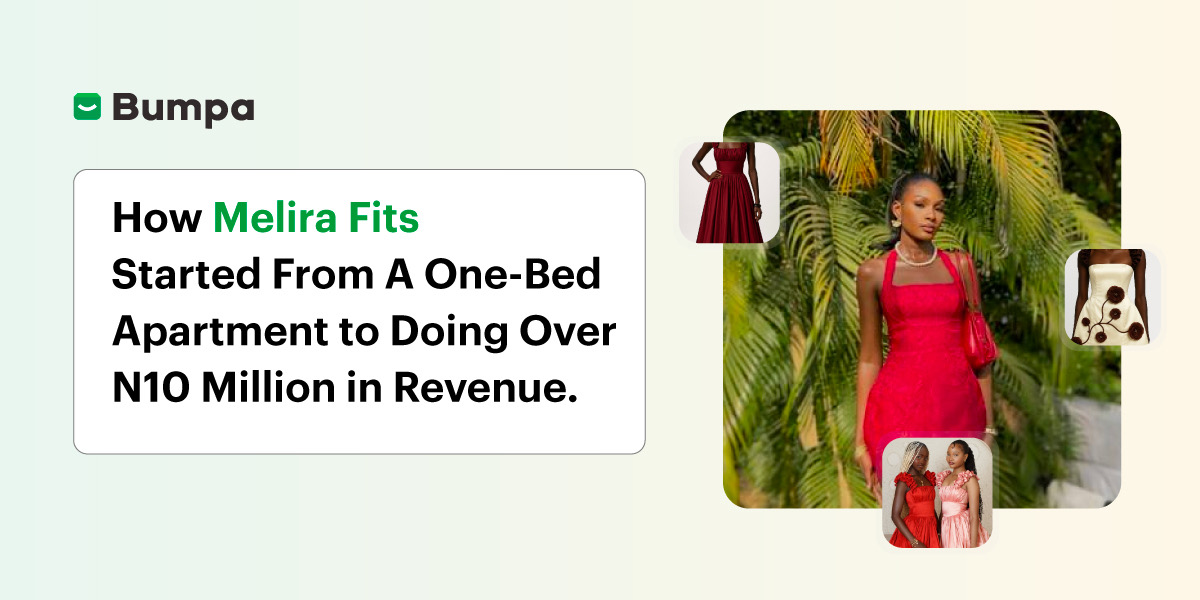
How Melira Fits Started From A One-Bed Apartment to Doing Up To 15 Million in Revenue.
Features
Get Amazon-Level Delivery for your Business with Bumpa’s New Shipping Automation

Tips
How Businesses (Small and Big) Are Making Big Money with AI in 2025! (Here's How)

Tips
How to Make Money on the Internet in 2025 (12 Easy E-commerce Hustles That Actually Pay)

Tips
These 7 Business Finance Mistakes May Cost You Millions !

Tips
6 Bumpa Websites Designed With New Themes to Inspire Your Online Store
Features
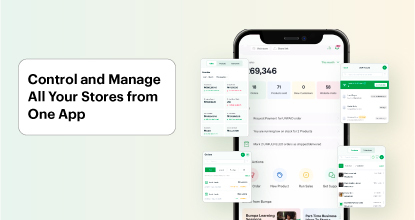
The Ultimate Guide to Managing Your Multiple Stores for Your Business with Bumpa

Features
How to Set Up Google Analytics for Your Bumpa Website
Tips
These 5 Urgent Fixes Will Save Your Dying Online Store!
Entrepreneurship
Be Part of Something Big: Join Our Partners' Program To Help Businesses Go Digital with Bumpa!

Tips
How to Write Product Descriptions that Convert Online Shoppers + Examples & Template

Features
Introducing Brand New Professional Website Themes & Templates For Your Bumpa Store!

Entrepreneurship
ShowUp #2: Love is in the Air! (And So Are Sales)

Tips
How to Turn your Products into Irresistible Valentine's Day Gifts

Features
How to Add Shipping Fees on Your Bumpa App
Features
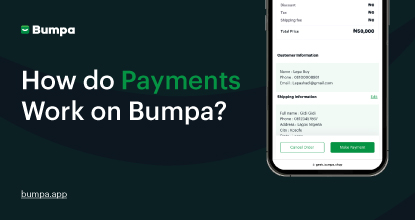
How does Online Payment Work on Bumpa?

Entrepreneurship
The Biggest Business Growth Event (BBGW) of 2025 Is Here!

Tips
Top 8 Trending Products to Launch a Successful Online Business in 2025

Tips
4 Secret Growth Strategies Smart Businesses Are Stealing in 2025

Entrepreneurship
ShowUp #1: Thank You for 2024 and Welcome to 2025! 🎉
Features
What to Know about Bumpa’s KYC Verification & Fraud Prevention

Entrepreneurship
Shape Your 2025: 50 Motivational and Inspirational Quotes Every Business Owner Needs

TipsFeatures
25 Marketing Strategies for Increasing Sales to Implement on Day One of 2025!

Entrepreneurship
The Season of Sales - Lessons, Tips & Giveaways

EntrepreneurshipFeatures
A Good Time For Gifts: Celebrating Our Super Sellers with WiiCreate! 🎁

Entrepreneurship
How Lagos's Top Parfait Brand, Melony Pine Fruit Hub Manages Its Growing Success with Bumpa
Features
Bumpa's Invoice Generator 2.0: Now with Custom Notes & Upgraded Shipping Slips
Features